
Essential Steps to Swimming Pool Construction
- David Van Nest

- Aug 5, 2025
- 4 min read
Building a swimming pool in your backyard is an exciting project that can transform your outdoor space into a private oasis. However, the pool building process involves several important steps that require careful planning and execution. Whether you want a simple plunge pool or a luxurious inground design, understanding these steps will help you make informed decisions and ensure a smooth construction experience.
Understanding the Pool Building Process
The pool building process begins with a clear plan and ends with a beautiful, functional pool ready for use. Here are the key stages involved:
Initial Consultation and Design
The first step is to meet with a pool contractor or designer to discuss your vision, budget, and site conditions. This phase includes selecting the pool type (inground or above ground), shape, size, and features such as lighting, heating, or waterfalls. A professional will also assess your yard’s soil, slope, and access for construction equipment.
Permits and Approvals
Before construction can start, you need to obtain the necessary permits from your local municipality. This ensures your pool complies with safety codes, zoning laws, and environmental regulations. Your contractor usually handles this process, but it’s important to be aware of the timeline and requirements.
Excavation and Site Preparation
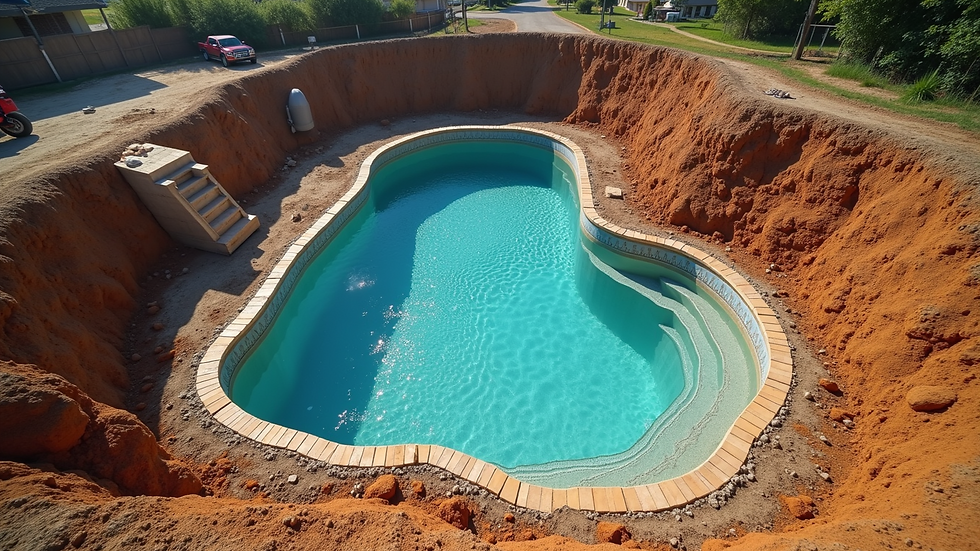
Once permits are secured, excavation begins. Heavy machinery digs the hole according to the pool’s design. Proper drainage and soil stabilization are critical at this stage to prevent future issues. The site is also prepared for plumbing and electrical installations.
Structural Installation
After excavation, the pool’s structure is built. For concrete pools, this involves steel rebar installation and gunite or shotcrete spraying. Fiberglass pools are delivered as a single shell and placed into the hole. Vinyl liner pools require a frame and liner installation. This step defines the pool’s shape and durability.
Plumbing and Electrical Work
Plumbing lines for water circulation, filtration, and heating are installed next. Electrical wiring for pumps, lights, and automation systems is also set up. Proper installation ensures efficient operation and safety.
Finishing Touches
The pool surface is finished with plaster, tile, or pebble, depending on your preference. Decking, coping, and landscaping are completed to enhance aesthetics and functionality. Finally, the pool is filled with water, balanced chemically, and tested for leaks and performance.
How much does a 10x10 inground pool cost?
A 10x10 inground pool is a compact option ideal for small yards or budget-conscious homeowners. The cost varies based on materials, features, and location, but here is a general breakdown:
Excavation and site prep: $2,000 - $4,000
Pool shell (concrete, fiberglass, or vinyl): $10,000 - $20,000
Plumbing and electrical: $3,000 - $6,000
Finishing and decking: $5,000 - $10,000
Permits and inspections: $500 - $1,500
On average, a 10x10 inground pool can cost between $20,000 and $40,000. Additional features like heating, lighting, or automation will increase the price. It’s important to get detailed quotes from reputable contractors to understand the full scope and avoid surprises.

Choosing the Right Materials and Features
Selecting the right materials and features can impact the pool’s longevity, maintenance, and enjoyment. Here are some common options:
Concrete Pools: Highly customizable in shape and size. Durable but require regular maintenance and resurfacing every 10-15 years.
Fiberglass Pools: Pre-molded shells that are quick to install and low maintenance. Limited shapes but smooth surfaces resist algae growth.
Vinyl Liner Pools: Cost-effective with flexible shapes. Liners need replacement every 7-15 years.
Additional features to consider:
Heating Systems: Extend swimming season with gas, electric, or solar heaters.
Lighting: LED lights enhance ambiance and safety for nighttime swimming.
Automation: Control pumps, heaters, and lights remotely for convenience.
Safety Fencing: Required by law in many areas to prevent accidents.
Choosing the right combination depends on your budget, climate, and personal preferences.
Maintenance Tips for a New Pool
Once your pool is built, proper maintenance is essential to keep it clean, safe, and inviting. Here are some practical tips:
Regular Cleaning: Skim debris daily and vacuum the pool weekly to prevent buildup.
Water Chemistry: Test and balance pH, chlorine, alkalinity, and calcium hardness at least twice a week.
Filter Care: Clean or backwash filters monthly to maintain water clarity.
Winterizing: In colder climates, properly close the pool to prevent damage during winter months.
Professional Inspections: Schedule annual inspections to check equipment and structural integrity.
Following these steps will extend the life of your pool and reduce costly repairs.

Final Thoughts on Your Pool Building Journey
Building a pool is a rewarding investment that adds value and enjoyment to your home. By understanding the pool building process, budgeting wisely, and choosing the right materials, you can create a backyard retreat tailored to your lifestyle. Remember to work with experienced professionals who can guide you through each step and ensure quality results.
For those interested in expert assistance, exploring options for swimming pool construction can provide valuable insights and services to make your dream pool a reality. With careful planning and maintenance, your pool will be a source of relaxation and fun for years to come.


Comments